
A custom wood garage door can add warmth, character, and architectural distinction to your home, making it an attractive choice for homeowners who want something beyond a standard garage door design. With a wide selection of wood species, panel styles, finishes, and decorative details available, a custom door can be tailored to complement your property’s exterior. However, natural wood also requires careful consideration of durability, weather exposure, insulation, and ongoing maintenance. Understanding these factors before purchasing a custom wood garage door can help you select a design that matches your home’s architecture while delivering dependable long-term performance.
Drawing on the expertise of Connecticut Garage Doors Services, we examine the most important factors to consider before buying a custom wood garage door, how to choose suitable materials and finishes, and which design and maintenance decisions can help homeowners protect their investment and preserve the door’s natural appearance.
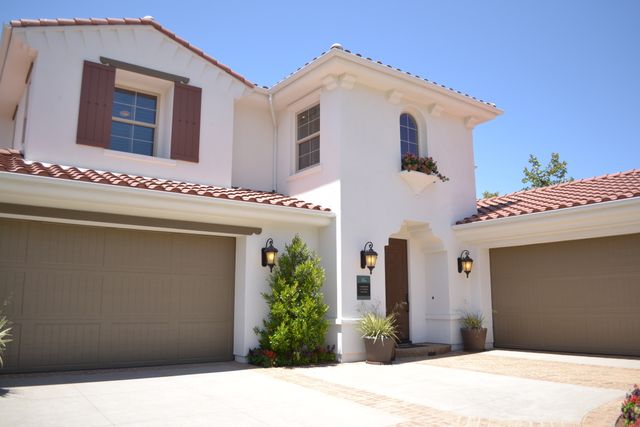
Top 7 Things to Consider Before Buying a Custom Wood Garage Door
Choosing a custom wood garage door involves more than selecting an attractive design. The material, construction, and hardware must all work together to ensure the door suits your home and operates reliably.
- Choose the Right Wood Species – Different wood species offer different grain patterns, colors, strength characteristics, and levels of natural resistance to moisture and decay. Cedar and redwood are often considered for their natural appearance and resistance to weather-related deterioration, while mahogany and other hardwoods can provide distinctive grain patterns and a refined finish. The best choice depends on local climate conditions, availability, appearance preferences, and the manufacturer’s construction recommendations.
- Match the Garage Door Style to Your Home’s Architecture – A custom wood garage door should complement the exterior rather than compete with it. Carriage-house designs can suit Craftsman, farmhouse, and traditional properties, while clean horizontal panels may work better with contemporary architecture. Raised panels, recessed sections, decorative hardware, and window inserts can all be customized to coordinate with existing trim, entry doors, and exterior finishes.
- Consider Durability and Weather Resistance – Wood naturally responds to changes in temperature and humidity. Without suitable protection, a custom wood garage door may swell, shrink, warp, crack, or develop surface deterioration. Consider how much direct sunlight, rain, and moisture the door will encounter. Selecting an appropriate wood species, using a high-quality exterior finish, and ensuring the door is constructed for local weather conditions can help improve durability.
- Evaluate Insulation and Energy Efficiency – If your garage is attached to your home or used as a workshop, insulation may be an important consideration. Solid wood construction does not automatically guarantee strong thermal performance, and insulation depends on the complete door design. Ask whether the custom garage door includes an insulated core, how its thermal performance is measured, and whether the installation will include effective perimeter weatherstripping and a suitable bottom seal.
- Understand the Maintenance Requirements – Custom wood garage doors generally require more maintenance than many standard steel or fiberglass alternatives. Depending on the wood species, finish, and environmental exposure, the door may need periodic cleaning, inspection, resealing, or refinishing. Before choosing a design, consider whether you are prepared to maintain the protective finish and address early signs of peeling, moisture damage, or discoloration.
- Check the Door’s Weight and Hardware Compatibility – Solid wood garage doors can be heavier than some steel or fiberglass models, depending on their dimensions and construction. The tracks, rollers, hinges, springs, cables, and opener must be appropriately specified for the finished door’s weight. A qualified garage door professional should verify these requirements before manufacturing and installation. Correctly matched hardware helps support balanced movement and reduces unnecessary strain on the opener.
- Review Customization Options and Installation Requirements – One of the main benefits of a custom wood garage door is the ability to select specific dimensions, panel arrangements, finishes, windows, and decorative hardware. However, unusual openings and intricate designs can require more detailed planning. Confirm the measurements, design drawings, finish specifications, and installation requirements before production begins. Professional installation is particularly important to ensure that the door fits correctly, moves smoothly, and maintains appropriate weather protection.
How Wood Type, Finish, and Construction Affect Long-Term Performance
The appearance and service life of a custom wood garage door depend on more than the species selected. Construction quality, moisture protection, panel design, and the finish applied to the wood all influence how the door performs over time. A high-quality exterior stain can emphasize the natural grain, while paint provides a more uniform appearance and can complement the home’s trim. Regardless of the finish, the protective coating must be appropriate for exterior exposure and maintained according to the manufacturer’s recommendations. Properly designed joints, suitable panel construction, and attention to water drainage can also help limit moisture-related deterioration. Because wood expands and contracts as environmental conditions change, professional construction and installation are essential for maintaining reliable movement and reducing the likelihood of warping or binding.
How to Choose the Best Custom Wood Garage Door for Your Home
The best custom wood garage door balances architectural style, material quality, weather resistance, and everyday functionality. Homeowners who prioritize natural grain and traditional character may prefer a stained wood finish, while those seeking a more uniform exterior appearance may choose painted panels. Climate should also influence the decision, particularly in areas exposed to frequent rain, high humidity, or strong sunlight. Before placing an order, discuss the available wood species, construction methods, insulation options, finish requirements, and hardware specifications with an experienced garage door professional. Reviewing a detailed design plan and confirming that the finished door will suit the existing garage opening can help avoid installation problems. Selecting a manufacturer that understands custom wood construction and local environmental conditions can also make ongoing maintenance more manageable.
In conclusion, by choosing materials suited to your climate, confirming that the door’s weight is supported by compatible hardware, and investing in professional installation, you can select a custom wood garage door that complements your home and provides reliable operation for years to come.
Written by Connecticut Garage Doors, your local garage doors and gate technician in New Haven Garage Doors, Winsted Garage Doors, Hartford Garage Doors, New Britain Garage Doors, Hamden Garage Doors, Meriden Garage Doors, Bristol Garage Doors, West Haven Garage Doors, Stratford Garage Doors, East Hartford Garage Doors, Wallingford Garage Doors, Southington Garage Doors, Enfield Garage Doors, Torrington Garage Doors, Glastonbury Garage Doors, Naugatuck Garage Doors, Newington Garage Doors, Vernon Garage Doors, Windsor Garage Doors, Cheshire Garage Doors, Branford Garage Doors, New Milford Garage Doors, Simsbury Garage Doors and Windham Garage Doors.