
A noisy garage door can be more than a daily annoyance. It may also indicate worn components, inadequate lubrication, or a developing mechanical problem. Squeaking, grinding, rattling, and sudden banging sounds often provide clues about the condition of the door’s hardware and opener system. Identifying the source of the noise early can help homeowners prevent additional wear, maintain smooth garage door operation, and recognize when professional garage door repair is necessary.
We turned to the experts at Florida Garage Doors for insights about the most common reasons garage doors make unusual noises, which maintenance steps can reduce unwanted sounds, and how homeowners can distinguish minor maintenance issues from mechanical problems that require professional attention.
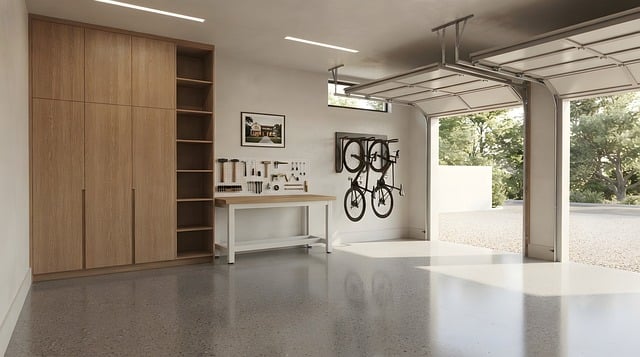
Why Is My Garage Door Making Noise? – Common Causes and Fixes
The type of noise your garage door produces can help narrow down the possible cause. Paying attention to when the sound occurs, whether during opening or closing, and whether it has recently become louder can provide useful information when troubleshooting the problem.
- Squeaking or Squealing Sounds – High-pitched noises often result from friction between moving metal components, including hinges, certain roller bearings, and springs. Applying a manufacturer-approved garage door lubricant to compatible moving parts may reduce the noise. However, damaged rollers or worn hinges may need replacement rather than lubrication.
- Rattling or Vibrating – A garage door that rattles while moving may have loose hardware, vibrating panels, or an opener rail that is not securely supported. Visually inspect accessible fasteners and panels for obvious looseness. Have damaged mounting brackets or hardware associated with high-tension components assessed by a professional.
- Grinding or Scraping Noises – Grinding can indicate worn roller bearings, damaged rollers, debris inside the tracks, or misaligned hardware. Inspect the visible tracks for dirt, obstructions, or bends, and clean away loose debris. If the door continues to grind or appears to bind, stop operating it and arrange a professional inspection.
- Loud Banging or Popping – A sudden, forceful bang can indicate a broken garage door spring, although other mechanical issues can also produce similar sounds. If you hear a loud bang followed by difficulty opening the door, look for visible damage without touching the hardware. Do not attempt to lift the door or repair the springs – contact a qualified garage door technician.
- Humming, Slapping, or Clattering From the Opener – Unusual sounds coming from the garage door opener may point to a loose chain, worn internal gears, or a drive mechanism that needs attention. Belt-drive openers can also develop noise when components become worn or improperly adjusted. Follow the manufacturer’s maintenance instructions, and seek professional service if the motor runs without moving the door or the noise persist.
Common Garage Door Components That Cause Excessive Noise
Understanding which components contribute to noisy garage door operation makes it easier to identify the appropriate solution. Although some problems can be addressed through routine maintenance, others require replacement parts or adjustments that should be handled by a trained technician.
- Worn Garage Door Rollers – Steel rollers can become noisy as their bearings wear, while damaged or deteriorated nylon rollers may also cause irregular movement. Replacing worn rollers with suitable, high-quality alternatives can improve performance and reduce operating noise.
- Dry Hinges and Moving Hardware – Hinges connect the door panels and allow them to bend as the door travels along its tracks. When compatible moving contact points lack lubrication, friction can produce squeaking and squealing. Using an approved lubricant on the appropriate components helps maintain smooth movement.
- Damaged or Misaligned Tracks – Garage door tracks guide the rollers throughout each opening and closing cycle. Bent sections, loose supports, or alignment problems can cause grinding, scraping, and uneven travel. Significant track damage should be corrected by a professional rather than addressed through improvised adjustments.
- Garage Door Springs and Cables – Springs and lifting cables support the door’s weight and help it move in a controlled manner. Worn or damaged components can create unusual noises and affect the door’s balance. Because these parts operate under substantial tension, inspection and repair should be left to qualified technicians.
- Garage Door Opener Problems – A noisy opener may have a chain that requires manufacturer-recommended maintenance, worn internal gears, or loose mounting hardware. The correct solution depends on whether the system uses a chain, belt, or screw drive, so avoid applying lubricant or adjusting components without checking the opener’s specific instructions.
How to Fix a Noisy Garage Door and Prevent Future Problems
Reducing garage door noise starts with regular maintenance and identifying the underlying cause rather than treating every sound as a lubrication issue. Homeowners can clean visible debris from the tracks, check for obvious damage, and apply a suitable garage door lubricant to compatible moving components according to the manufacturer’s recommendations. Nylon roller tires, tracks, electrical parts, and other components may require different treatment or should remain free of lubricant. Avoid overtightening hardware or adjusting the opener’s force settings to compensate for a door that struggles to move. If the garage door is shaking, moving unevenly, or becoming progressively louder, discontinue use when safe operation is in doubt and arrange professional garage door service.
Preventive maintenance can also reduce the likelihood of recurring garage door problems. Inspect the rollers, hinges, panels, tracks, and visible mounting hardware periodically, listen for changes during normal operation, and follow the manufacturer’s recommended lubrication schedule. A qualified technician can examine the door’s balance, springs, cables, and opener mechanism to identify hidden wear before it develops into a more serious malfunction. Addressing unusual sounds promptly helps maintain reliable operation and can prevent unnecessary strain on connected components.
In conclusion, with regular garage door maintenance, the correct lubrication products, and professional attention to damaged or high-tension components, homeowners can reduce unwanted noise, extend the service life of their equipment, and keep their garage door operating smoothly and safely.
Written by Florida Garage Doors, your local garage doors and gate technician in Naples Garage Doors, Golden Gate Garage Doors, Punta Gorda Garage Doors, Estero Garage Doors, San Carlos Park Garage Doors, Iona Garage Doors, North Fort Myers Garage Doors, Port Charlotte Garage Doors, Fort Myers Garage Doors, Cape Coral Garage Doors, Lehigh Acres Garage Doors, Bonita Springs Garage Doors, Marco Island Garage Doors, Immokalee Garage Doors, and Englewood Garage Doors.